
Top Waterproofing Products for Long-Lasting Protection
Explore the leading waterproofing solutions designed to safeguard structures against moisture and water damage effectively.
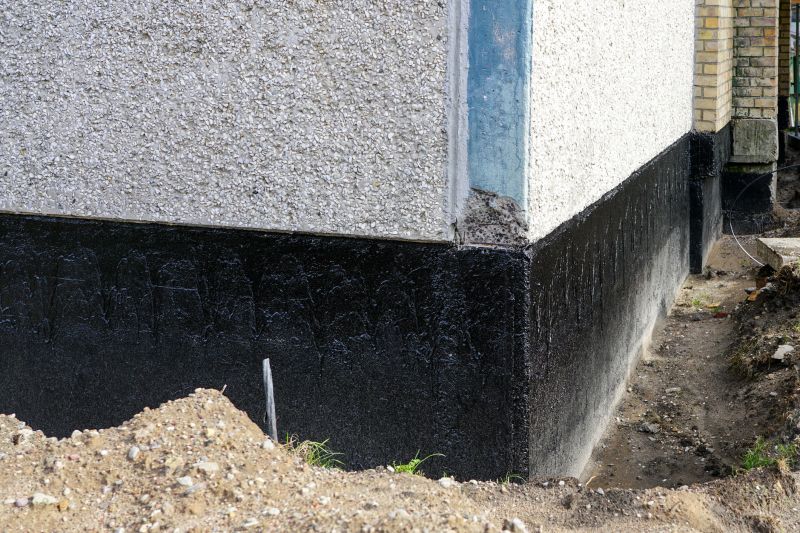 Waterproofing products are essential for protecting structures, surfaces, and materials from water intrusion and damage. Whether you're working on a basement, roof, or outdoor surface, selecting the right waterproofing solutions can help prevent leaks, mold growth, and structural deterioration. These products come in various forms, including liquids, membranes, sealants, and coatings, each suited for different applications and environments. Proper application and choosing the appropriate type of waterproofing material are crucial for long-lasting results and effective protection.
Top Overall Option
Versatile Waterproofing Membrane
A high-quality waterproofing membrane offers a reliable barrier against water infiltration, suitable for various surfaces such as roofs, foundations, and decks. Designed for durability and ease of application, it provides a flexible and long-lasting solution that adapts to movement and environmental stresses. This type of product is often used in both residential and commercial projects, offering versatility and dependable performance. Proper surface preparation and correct application are essential to maximize its effectiveness and lifespan.
Types of Products For Waterproofings
Liquid Waterproofing Coatings
These are liquid-based products that can be brushed, rolled, or sprayed onto surfaces to create a seamless waterproof barrier. Suitable for roofs, basements, and balconies, they are easy to apply and cure quickly.
Bituminous Membranes
Bituminous membranes are self-adhesive or torch-applied sheets used primarily on roofs and foundations for effective water resistance. They are known for their durability and weather resistance.
Polyurethane Sealants
Flexible sealants ideal for sealing joints, cracks, and gaps in concrete, masonry, or wood surfaces to prevent water penetration. They offer excellent adhesion and weather resistance.
Acrylic Waterproof Coatings
Acrylic-based coatings provide a protective layer that resists water and UV damage, suitable for roofs, walls, and concrete surfaces.
Cementitious Waterproofing
This type involves applying cement-based formulas that bond well with concrete and masonry, often used in basements and tunnels.
Rubberized Asphalt Coatings
These coatings combine asphalt with rubber compounds for enhanced elasticity and waterproofing, often used on flat roofs and parking decks.
Liquid Rubber Coatings
Elastomeric coatings that cure to form a seamless, flexible waterproof layer, suitable for roofs, gutters, and ponds.
Sheet Membranes
Pre-formed sheets made from materials like EPDM or PVC, used mainly on flat roofs and underground structures for reliable waterproofing.
Waterproofing Paints
Specialized paints formulated to resist water penetration, often used on exterior walls and masonry surfaces.
Spray-On Waterproofing
Sprayable products that create a waterproof layer on various surfaces, ideal for irregular shapes and hard-to-reach areas.
Crystalline Waterproofing
A treatment that penetrates concrete and reacts with moisture to form crystals, sealing pores and cracks from within.
Sealant Tapes
Self-adhesive tapes used to seal joints, seams, and cracks, providing an immediate waterproof barrier.
Epoxy Coatings
Durable, chemical-resistant coatings suitable for waterproofing floors, basements, and industrial surfaces.
Hydrophobic Sprays
Sprays that repel water and are often applied to fabrics, concrete, and masonry to enhance water resistance.
Drainage Boards
Protective panels that facilitate water drainage behind walls or under slabs, reducing hydrostatic pressure.
Vapor Barriers
Materials designed to prevent moisture vapor transfer through walls, floors, and ceilings.
Popular Choices
Versatile and easy to apply, these coatings are commonly used for sealing roofs and balconies.
Widely used for roofing and foundation projects, offering durable water resistance.
Popular for sealing joints and cracks in various surfaces due to their flexibility and adhesion.
Commonly applied in basements and tunnels, valued for its bonding strength with concrete.
Often chosen for flat roofs and parking decks because of their elasticity and weather resistance.
Pre-formed sheets favored for their reliability on flat roofs and underground structures.
Applied to exterior walls and masonry to prevent water infiltration.
Convenient for irregular surfaces and hard-to-reach areas, providing a seamless waterproof layer.
Effective for internal concrete sealing, often used in water tanks and basements.
Quick and easy solutions for sealing seams and cracks in various surfaces.
Used for waterproofing floors and industrial surfaces, valued for their chemical resistance.
Applied to masonry and fabrics to improve water repellency and reduce water absorption.
In residential settings, waterproofing often involves sealing foundations, basements, and crawl spaces to prevent water seepage during heavy rains or snowmelt. For outdoor surfaces such as decks, patios, or driveways, waterproof coatings can provide a protective barrier against moisture and weather elements. Commercial and industrial projects may require specialized waterproofing membranes and sealants designed to withstand more extreme conditions and loads. Understanding the specific needs of your project and environment can help guide your selection process.
Applying waterproofing products correctly is vital for ensuring their effectiveness. Surface preparation, including cleaning and drying, is often necessary before application. Many products are designed for easy DIY use, while others may require professional installation to achieve optimal results. Regular maintenance and inspections can also extend the lifespan of waterproofing systems, helping to identify and repair any vulnerabilities early. With a wide range of options available, from flexible sealants to durable membranes, there are solutions tailored to virtually every waterproofing challenge.
Key Buying Considerations
- Identify the specific surface or structure requiring waterproofing to select the most suitable product type.
- Consider the environmental conditions, such as exposure to UV, temperature fluctuations, and moisture levels.
- Determine whether the project is interior or exterior, as some products are better suited for one or the other.
- Assess the ease of application, especially if DIY installation is planned, and whether professional help is needed.
- Check the drying and curing times to ensure timely completion of your project.
- Review the product's flexibility to accommodate movement or settling of structures without cracking.
- Evaluate the durability and lifespan of the waterproofing solution based on your project's needs.
- Consider compatibility with existing materials and surfaces to ensure proper adhesion and performance.
- Look into the product's resistance to chemicals, mold, and mildew if applicable to your environment.
- Verify the coverage area per unit to estimate quantities needed and budget accordingly.
- Research the manufacturer's instructions and warranty options for added assurance.
- Think about maintenance requirements and ease of reapplication or repairs in the future.
- Examine whether the product is suitable for the specific climate conditions of Portage, MI.
- Ensure the product complies with local building codes and standards for waterproofing.